You're staring at a screen. Your heart rate's up a little. The reels are slowing down, and for a split second, you genuinely believe you're about to hit the jackpot. Then – two cherries and a lemon. You exhale, laugh at yourself, and hit spin again. Why? What is it about a random number generator that keeps us glued to our seats? It's not just about money. If it were, we'd all be checking stock prices instead. The truth is, the iGaming industry runs on some of the most powerful psychological hooks known to behavioral science. And once you see them, you can't unsee them.
B.F. Skinner, the famous behaviorist, discovered something in the 1950s that would eventually power a trillion-dollar industry: the variable-ratio schedule of reinforcement. In plain English? If you reward a rat every time it presses a lever, it presses occasionally. If you reward it unpredictably – sometimes after one press, sometimes after fifty – it presses like a maniac. That is exactly what a slot machine does. The payout is random, but it's frequent enough to keep hope alive. If you know a machine pays 96% RTP (return to player), you also know that 4% house edge is a slow drip. But the timing of the wins is what enslaves the brain's dopamine system.
Dopamine isn't the 'pleasure chemical' – it's the 'anticipation chemical.' Brain scans of slot players show that dopamine peaks not when they win, but when they're about to find out. The near-miss – two jackpot symbols and a third one just above the payline – triggers the same neural pathways as an actual win. That's why modern slots have 'anticipation' animations. They're not just decoration; they're engineered to stretch that peak. If you play slots, you've felt this. The bonus round tease where the music speeds up? That's pure neurochemistry being exploited.
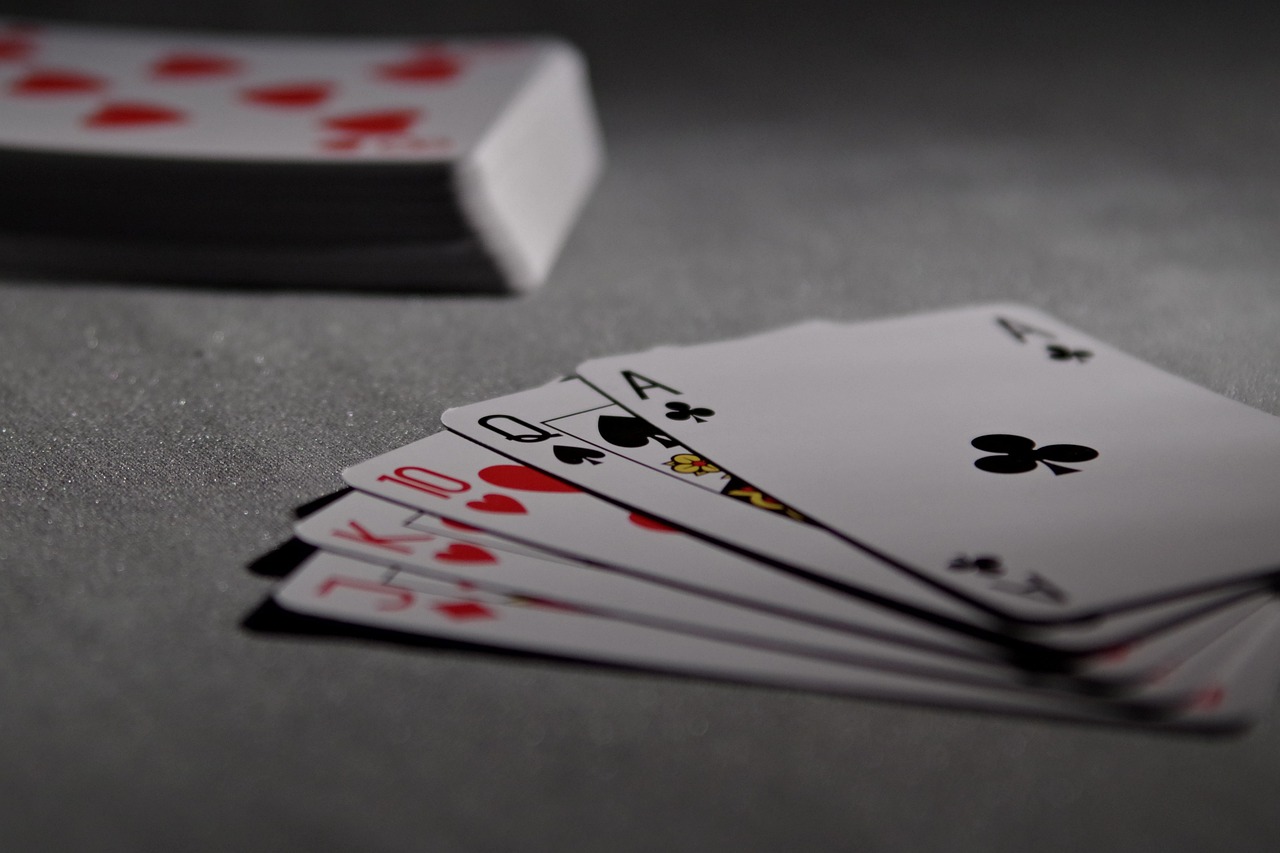
Here's the paradox. Poker players often look down on slot players as mindless button-pushers. But poker has its own psychological trap: the illusion of control. In poker, you make decisions. You bluff. You read opponents. That sense of agency is intoxicating. But the variance in poker is brutal. You can play perfectly and lose for weeks. The result is a feedback loop – you win just often enough to attribute it to skill, and you lose just often enough to blame bad luck. Over time, this strengthens a dangerous belief: I'm due for a win. The gambler's fallacy is stronger in poker because skill is genuinely involved. But the cards don't remember your last bad beat. Those comparing choices often turn to slot mahjong.
Sports betting used to require a trip to the bookmaker. You'd queue, fill out a slip, and wait. That friction gave you time to think. Today, a betting app puts the entire sportsbook in your pocket. One tap, and your bet is live. That's not progress – it's a psychological weapon. In-play betting, or micro-betting, is the worst offender. You can bet on the next corner kick, the next free throw, the next ten seconds. The cycle of anticipation and resolution collapses to seconds. The brain's reward system never gets a break. And when it goes wrong? The cash-out button is right there, offering a fraction of your stake to stop the pain. It feels like control. In reality, it's just another way to keep you engaged.
Casinos know that friction is the enemy of revenue. That's why deposit limits are often buried in settings, while 'Deposit' is always a thumb-width away. The house doesn't need to cheat. It just needs to make the next bet easier than stopping.
Loss aversion – a concept from Kahneman and Tversky's prospect theory – is perhaps the most powerful force in iGaming. Losing $100 feels roughly twice as painful as winning $100 feels pleasurable. So why do we keep playing after a loss? Because of the chase. The pain of the loss creates an itch that only a win can scratch. But the win doesn't actually heal the wound – it just resets the baseline. You're now playing with 'house money,' which research shows makes people far more reckless. So you spin bigger, bet longer, and give it all back.
This is why responsible gambling tools matter. Not as a slogan – as a counterweight to hardwired biology. If you set a deposit limit before you start, you're not weak. You're smart. You're admitting that your prefrontal cortex – the part that plans – is no match for your limbic system when the reels are spinning at 2 a.m.
None of this means you should never play. But you should play with your eyes open. Here are five concrete strategies that actually work:
The iGaming industry is brilliant at what it does. It sells you an experience – the rush of the spin, the tension of the river card, the roar of the crowd when your accumulator hits. But that experience has a cost. The difference between a recreational player and a problem gambler isn't willpower. It's understanding the mechanics. Once you know how the variable-ratio schedule works, why near-misses fire dopamine, and why cash-out buttons feel like rescue but aren't, you can enjoy the game without being played by it.
So the next time you spin, ask yourself: am I playing for fun, or am I playing to fix a feeling? If it's the former, great. Set your limit and enjoy the ride. If it's the latter, close the app. The house edge is patient. It'll still be there tomorrow. But your bankroll – and your head – don't have to be.